Info Detail
Fakultas Ilmu-ilmu Kesehatan

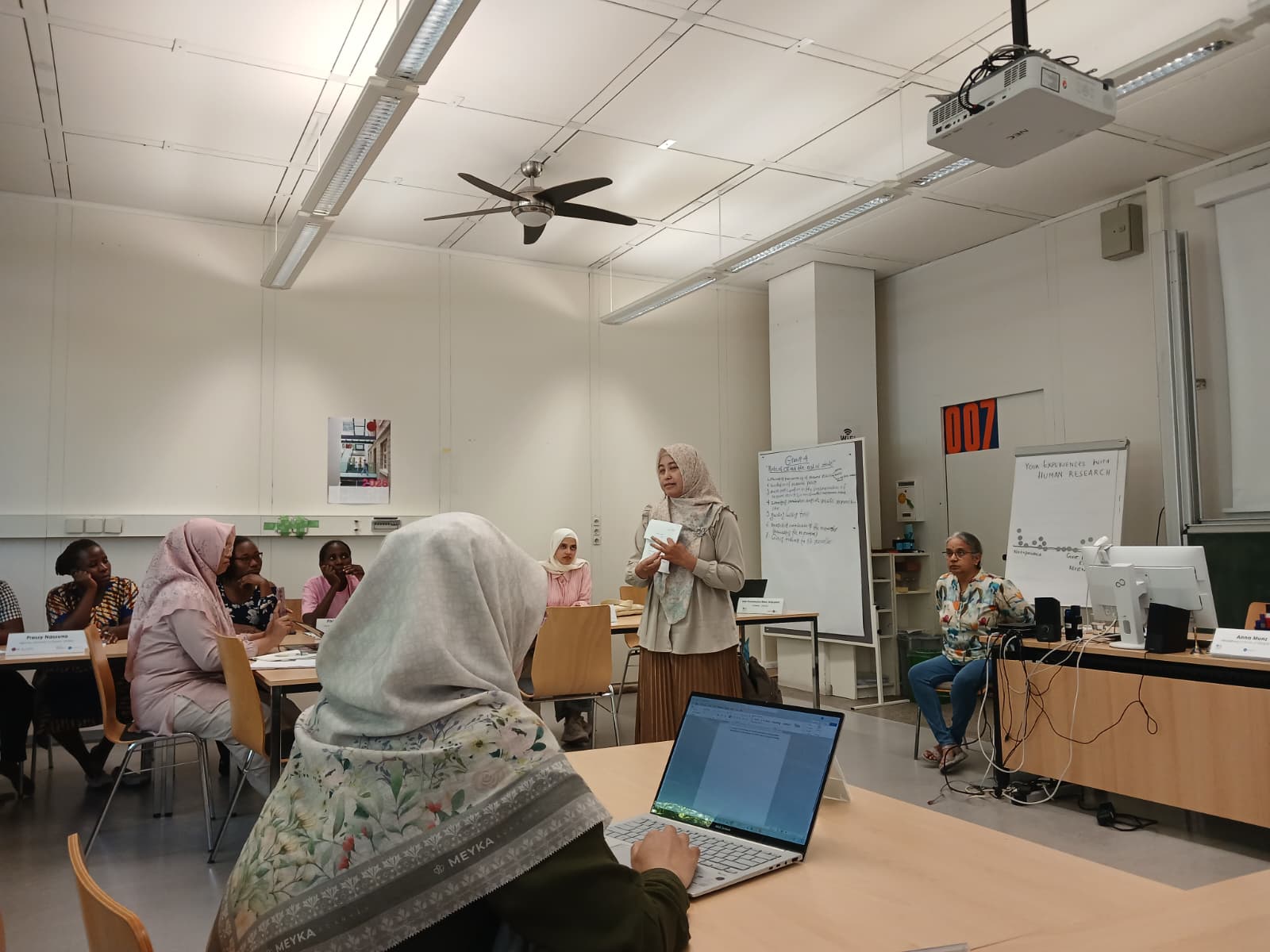
Heidelberg, Jerman – Fakultas Ilmu-Ilmu Kesehatan (FIKes) Universitas Jenderal Soedirman (UNSOED) terus memperkuat internasionalisasi pendidikan melalui partisipasi dosennya dalam International Summer Course “Ethics in Global Health and Research” yang diselenggarakan oleh Heidelberg Institute of Global Health (HIGH), Heidelberg University, Jerman, pada 3–7 Agustus 2026. Kegiatan ini merupakan bagian dari implementasi proyek kerja sama internasional Sustainable Horizons: Empowering Global Perspectives in Health-related SDGs Teaching and Research in Indonesia yang didukung oleh German Academic Exchange Service (DAAD) dan Federal Ministry for Economic Cooperation and Development (BMZ), Germany.
International Summer Course ini menjadi salah satu rangkaian penting dalam program Faculty Exchange Visit antara FIKes UNSOED dan Heidelberg Institute of Global Health. Selama satu minggu penuh, peserta mengikuti pembelajaran intensif setiap hari mulai pukul 09.00 hingga 17.00 waktu Jerman, dengan pendekatan student-centered learning yang menekankan partisipasi aktif, kolaborasi lintas budaya, serta penyelesaian berbagai persoalan nyata di bidang kesehatan global.
Delegasi FIKes UNSOED terdiri atas Lu’lu Nafisah, S.K.M., M.K.M. dan Yuditha Nindya Kartika Rizqi yang mengikuti kegiatan sebagai course participants. Sementara itu, Prof. Yunita Sari, S.Kep., Ns., MSH., Ph.D., Prof. Siwi Pramatama Mars Wijayanti, dan Dr. Arih Diyaning Intiasari, S.K.M., M.P.H. berpartisipasi sebagai academic observers untuk mempelajari desain pembelajaran, metode fasilitasi, strategi asesmen, serta pendekatan pengajaran yang diterapkan di Heidelberg University sebagai referensi dalam pengembangan pembelajaran di Program Studi Magister Kesehatan Masyarakat FIKes UNSOED.
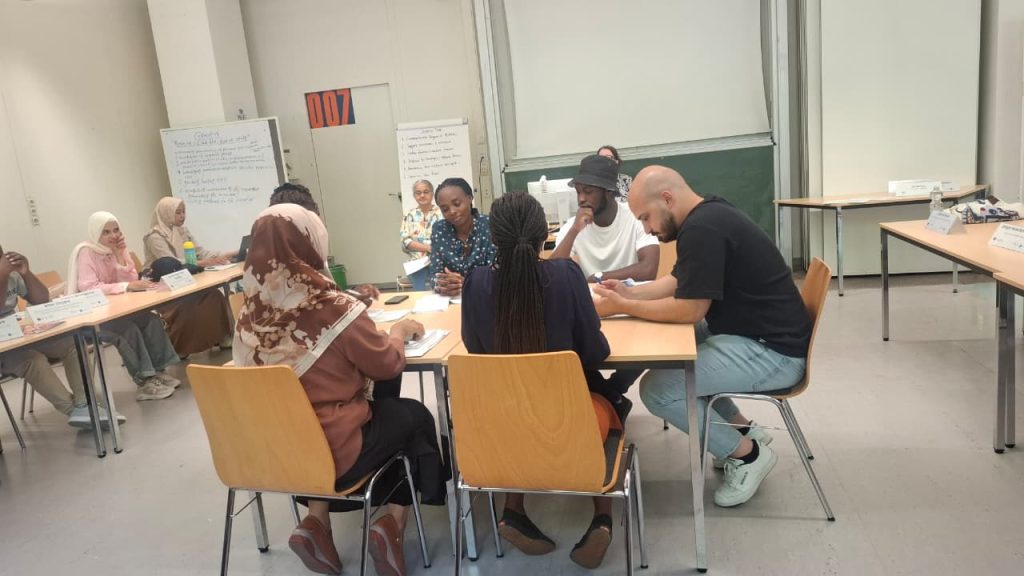
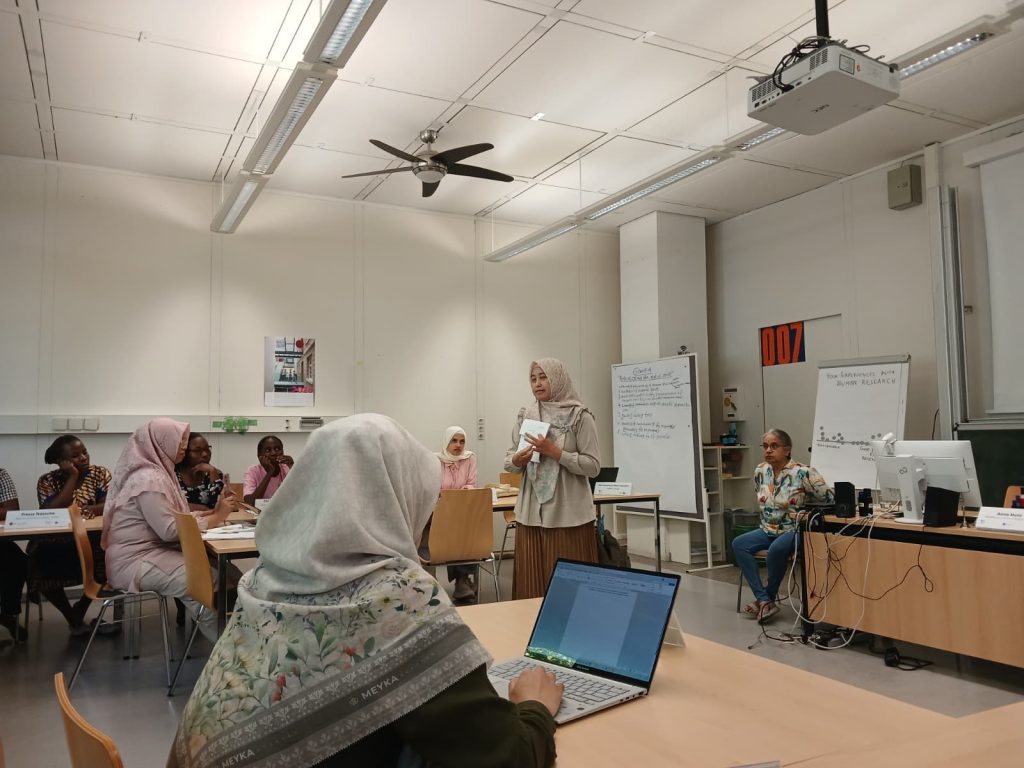
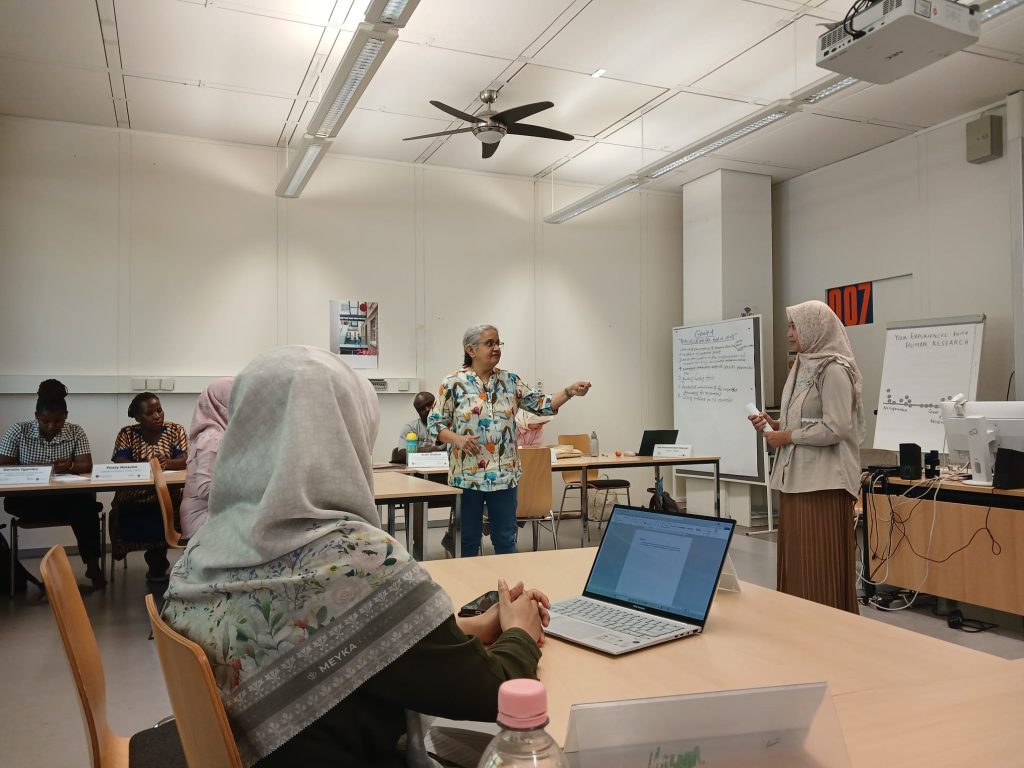
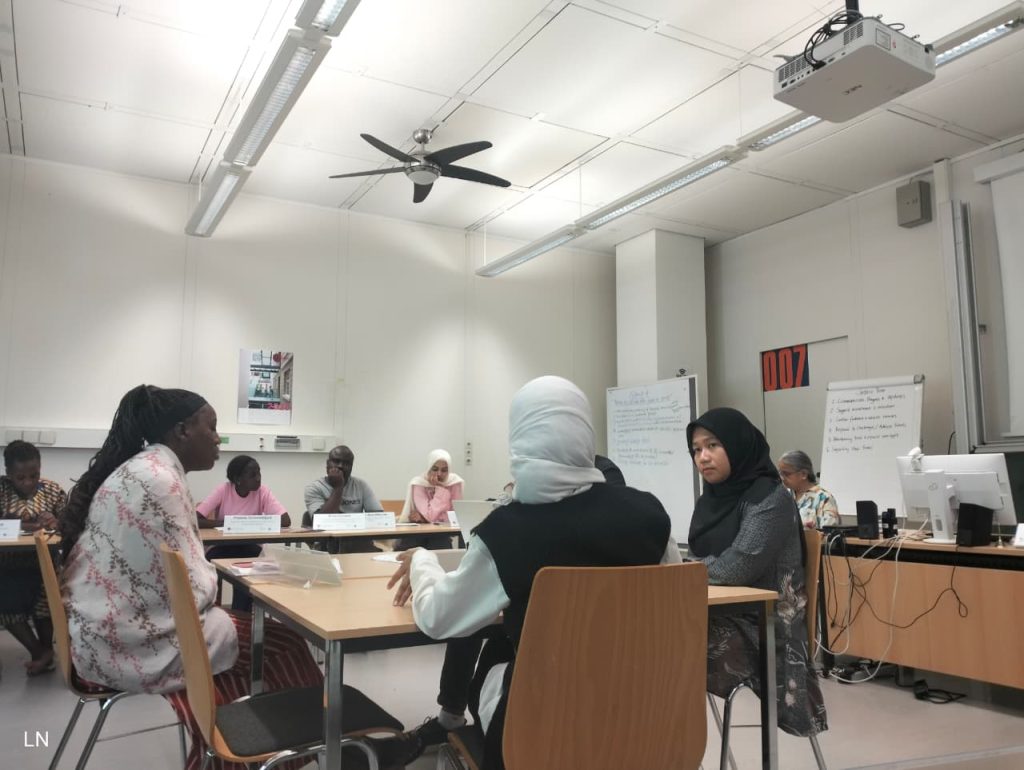
Yang menarik, Summer Course ini juga diikuti oleh sekitar 23 mahasiswa magister internasional penerima beasiswa DAAD yang berasal dari berbagai universitas di Asia, Afrika, dan Eropa. Keberagaman latar belakang akademik, budaya, dan pengalaman profesional para peserta menciptakan suasana pembelajaran yang dinamis, di mana setiap diskusi menjadi ruang untuk saling bertukar perspektif mengenai berbagai tantangan kesehatan global di masing-masing negara.
Selama kegiatan berlangsung, peserta mempelajari berbagai topik strategis dalam Global Health Ethics, seperti prinsip keadilan dalam penelitian global, ethical partnership, community engagement, penelitian pada kelompok rentan, dekolonisasi kesehatan global (decolonizing global health), hingga pengambilan keputusan etik dalam penelitian dan program kesehatan lintas negara. Seluruh sesi difasilitasi oleh Varalakshmi Elango (Vara) sebagai Subject Expert and Prospective Lecturer serta Pauline Grys dari Heidelberg Institute of Global Health, yang membimbing peserta melalui berbagai pendekatan pembelajaran yang interaktif dan aplikatif.
Berbeda dengan model perkuliahan konvensional, International Summer Course ini mengedepankan metode participatory learning, di mana peserta aktif terlibat dalam diskusi kelompok kecil, analisis case-based learning, presentasi kelompok, refleksi kritis (reflective learning), hingga simulasi role play pada akhir kegiatan. Dalam simulasi tersebut, peserta diminta memerankan berbagai pemangku kepentingan yang terlibat dalam sebuah kasus kesehatan global untuk mencari solusi terbaik berdasarkan prinsip-prinsip etika, keadilan, dan penghormatan terhadap nilai-nilai budaya masyarakat.
Melalui pendekatan tersebut, peserta tidak hanya memperoleh pemahaman teoritis mengenai etika kesehatan global, tetapi juga mengembangkan kemampuan berpikir kritis, komunikasi lintas budaya, negosiasi, kolaborasi, dan pengambilan keputusan dalam situasi yang kompleks. Diskusi yang berlangsung selama Summer Course semakin kaya karena setiap peserta membawa pengalaman dari sistem kesehatan di negaranya masing-masing, mulai dari isu akses layanan kesehatan, kesehatan ibu dan anak, penyakit menular, hingga tantangan kesehatan masyarakat di wilayah berpenghasilan rendah dan menengah.
Sementara itu, para observer dari FIKes UNSOED memanfaatkan kesempatan ini untuk mempelajari berbagai praktik terbaik (best practices) dalam penyelenggaraan pendidikan Global Health di Heidelberg University, termasuk penerapan active learning, fasilitasi diskusi berbasis kasus, teknik asesmen formatif, pengelolaan kelas internasional, serta strategi menciptakan lingkungan belajar yang kolaboratif dan inklusif. Pengalaman tersebut akan menjadi referensi penting dalam pengembangan Global Health Track pada Program Studi Magister Kesehatan Masyarakat FIKes UNSOED yang saat ini tengah dikembangkan bersama Heidelberg Institute of Global Health.
Keikutsertaan dosen FIKes UNSOED dalam International Summer Course ini tidak hanya meningkatkan kompetensi akademik di bidang Global Health Ethics, tetapi juga memperluas jejaring internasional dengan mahasiswa, peneliti, dan akademisi dari berbagai belahan dunia. Melalui pengalaman belajar bersama peserta internasional, dosen FIKes UNSOED memperoleh wawasan baru mengenai praktik pendidikan, penelitian, dan implementasi kebijakan kesehatan global yang dapat diadaptasi dalam proses pembelajaran maupun penelitian di Indonesia.
Sebagai bagian dari proyek Sustainable Horizons, kegiatan ini diharapkan menjadi fondasi dalam penguatan kapasitas sumber daya manusia, pengembangan kurikulum berstandar internasional, serta peningkatan kualitas pendidikan dan penelitian di bidang kesehatan masyarakat di FIKes UNSOED.
Partisipasi dosen FIKes UNSOED dalam International Summer Course ini mendukung pencapaian Sustainable Development Goal (SDG) 4: Quality Education melalui peningkatan kapasitas dosen dan pengembangan pembelajaran inovatif berbasis standar internasional. Selain itu, kegiatan ini berkontribusi pada SDG 3: Good Health and Well-being dengan memperkuat kompetensi akademisi dalam memahami aspek etika penelitian dan praktik kesehatan global yang berorientasi pada peningkatan kualitas layanan kesehatan. Kolaborasi antara Universitas Jenderal Soedirman dan Heidelberg University juga menjadi implementasi nyata SDG 17: Partnerships for the Goals, yaitu membangun kemitraan internasional yang berkelanjutan dalam pengembangan pendidikan, penelitian, dan inovasi di bidang kesehatan global.