Info Detail
Fakultas Ilmu-ilmu Kesehatan

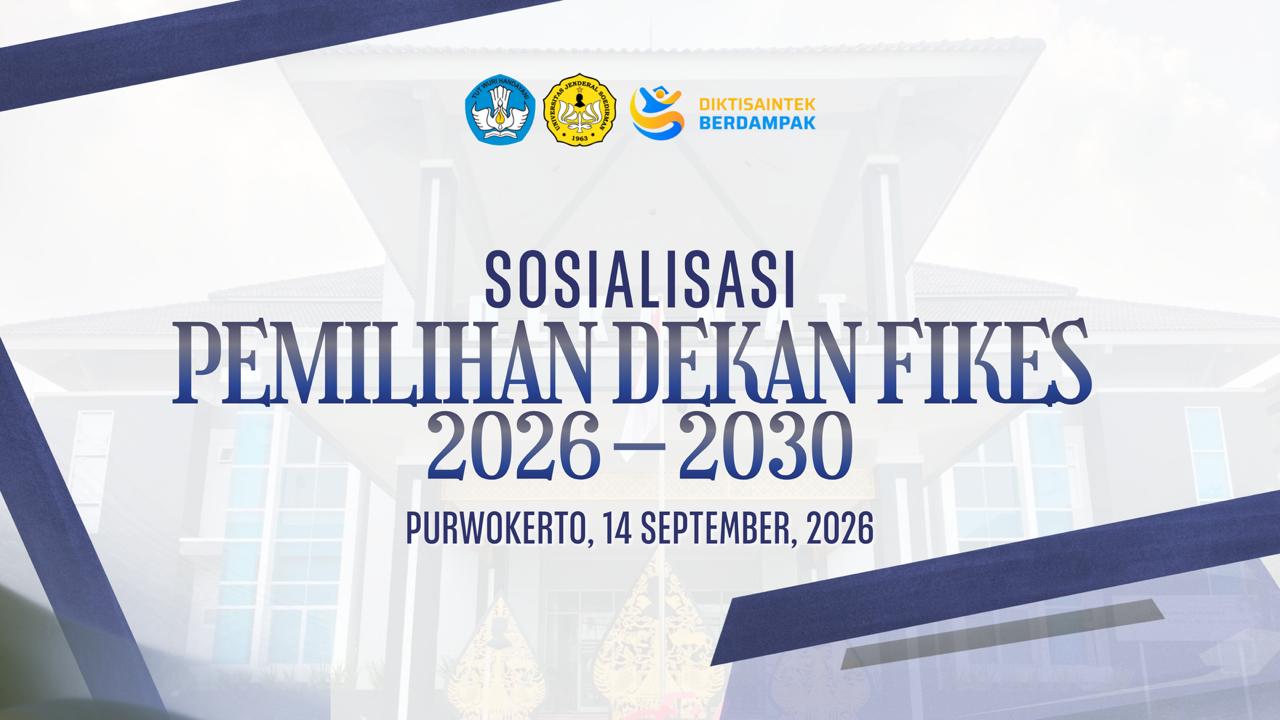
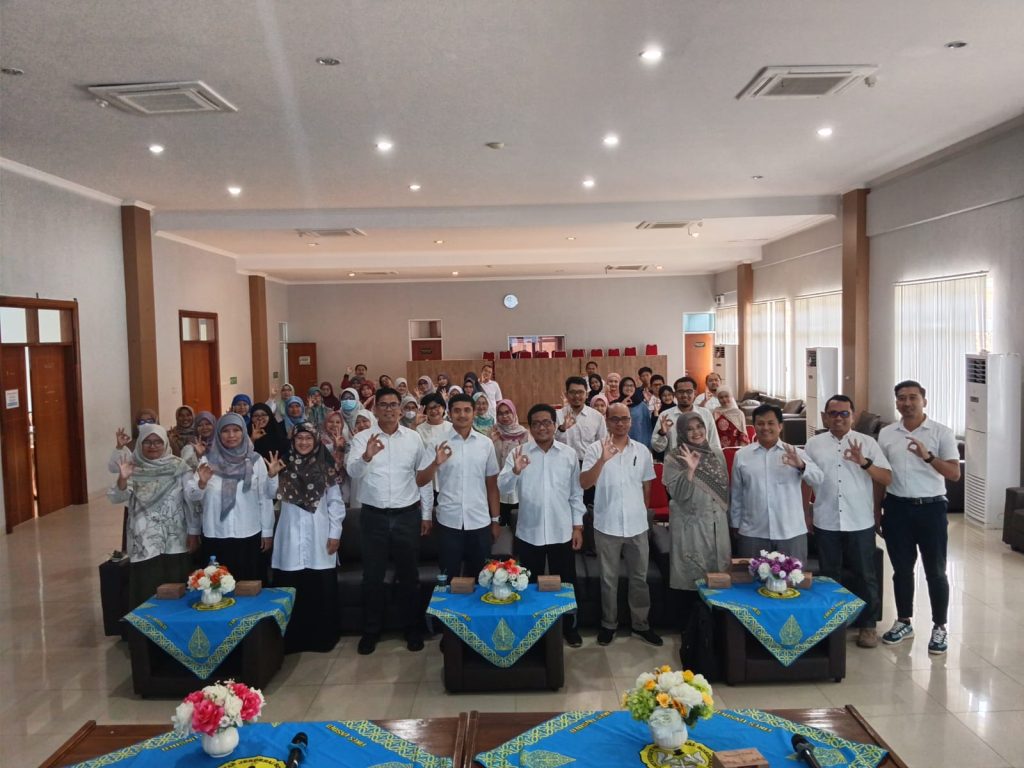
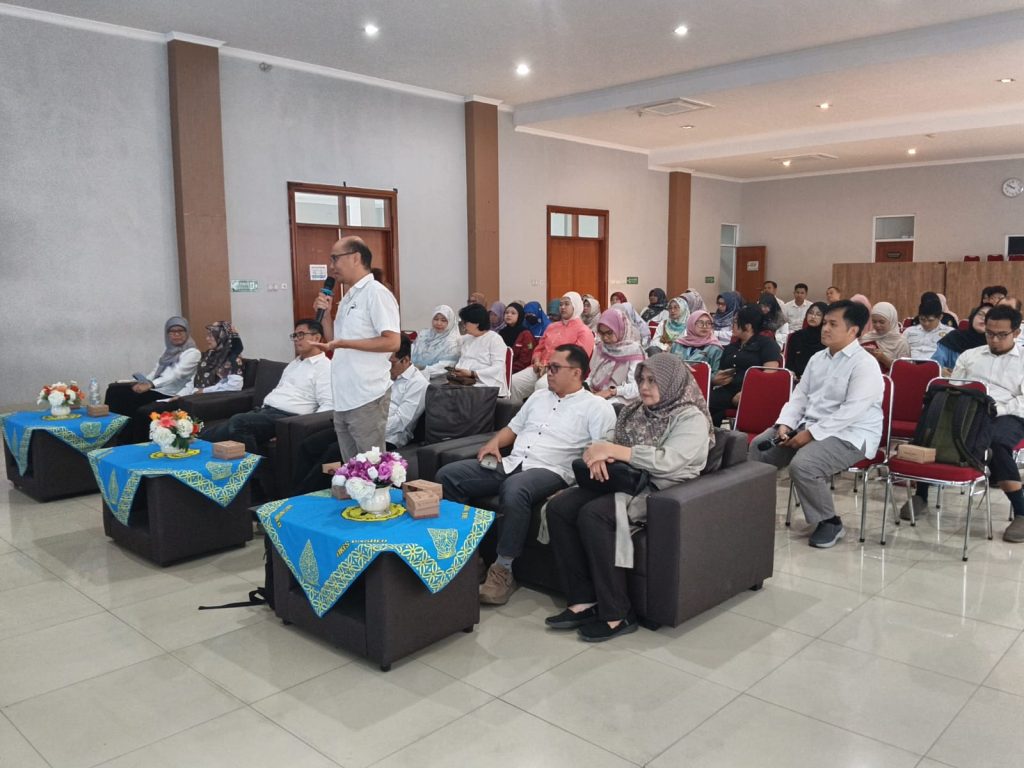
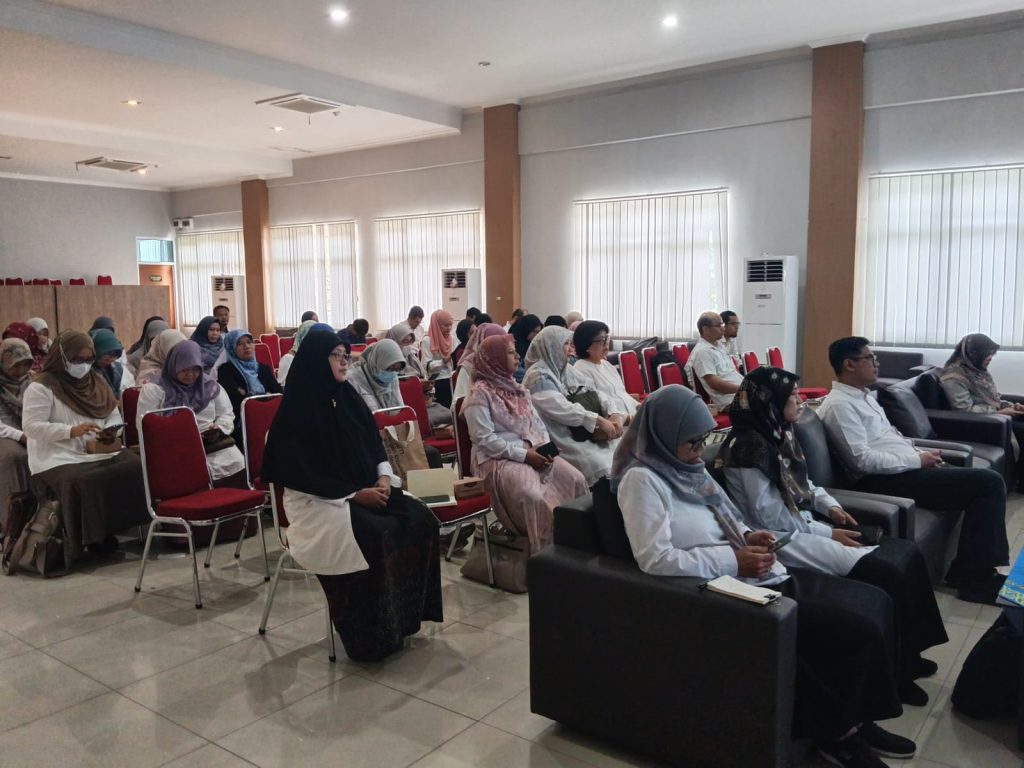
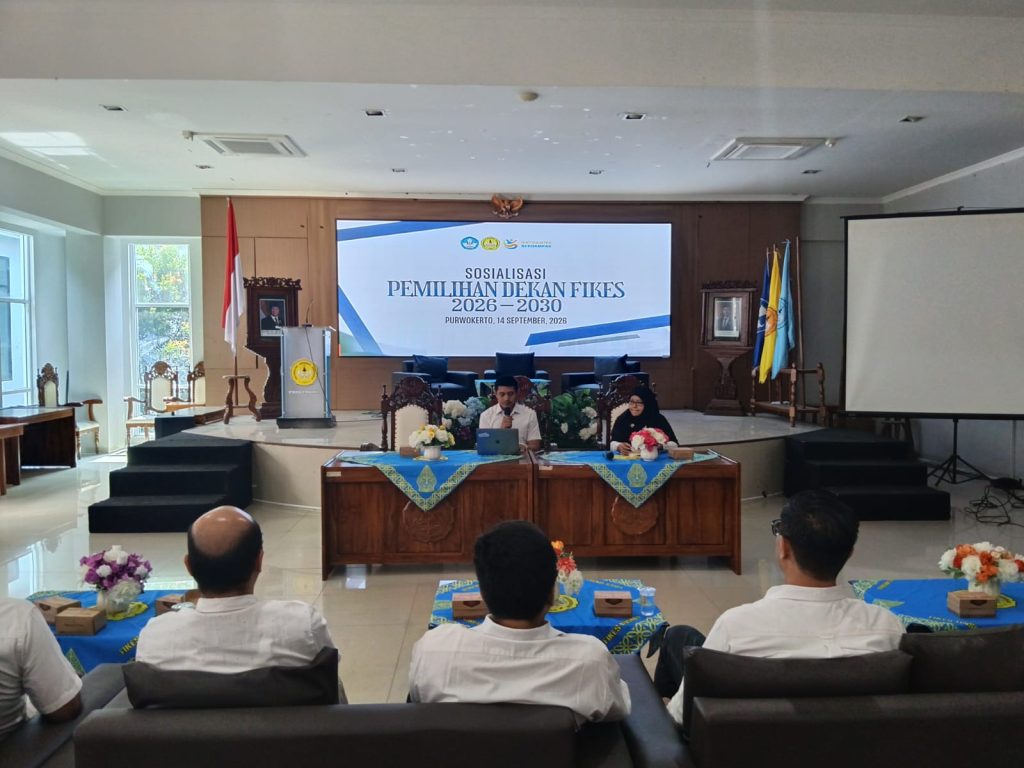
Purwokerto — Fakultas Ilmu-Ilmu Kesehatan (FIKes) Universitas Jenderal Soedirman menyelenggarakan Sosialisasi Pemilihan Dekan FIKes UNSOED Periode 2026–2030 pada Senin, 14 September 2026. Kegiatan berlangsung di Aula Dekanat FIKes UNSOED mulai pukul 09.00 WIB dan diikuti oleh unsur Senat Fakultas, Guru Besar, Lektor Kepala, Ketua dan Sekretaris Jurusan, Koordinator Program Studi, perwakilan dosen, tenaga kependidikan, perwakilan organisasi mahasiswa, serta Panitia Pemilihan Dekan.
Kegiatan ini menjadi bagian penting dalam rangkaian proses Pemilihan Dekan FIKes UNSOED Periode 2026–2030, sekaligus menjadi sarana untuk menyampaikan informasi secara terbuka kepada sivitas akademika mengenai dasar hukum, tahapan, mekanisme, persyaratan, serta tata tertib pemilihan Dekan.
Sosialisasi dilaksanakan oleh Panitia Pemilihan Dekan FIKes UNSOED yang diketuai oleh Arfin Deri Listiandi, S.Pd., M.Pd. Panitia kegiatan sosialisasi sendiri telah ditetapkan melalui Surat Tugas Dekan FIKes UNSOED, dengan Prof. Dr.sc.hum. Budi Aji, S.KM., M.Sc. sebagai penanggung jawab.
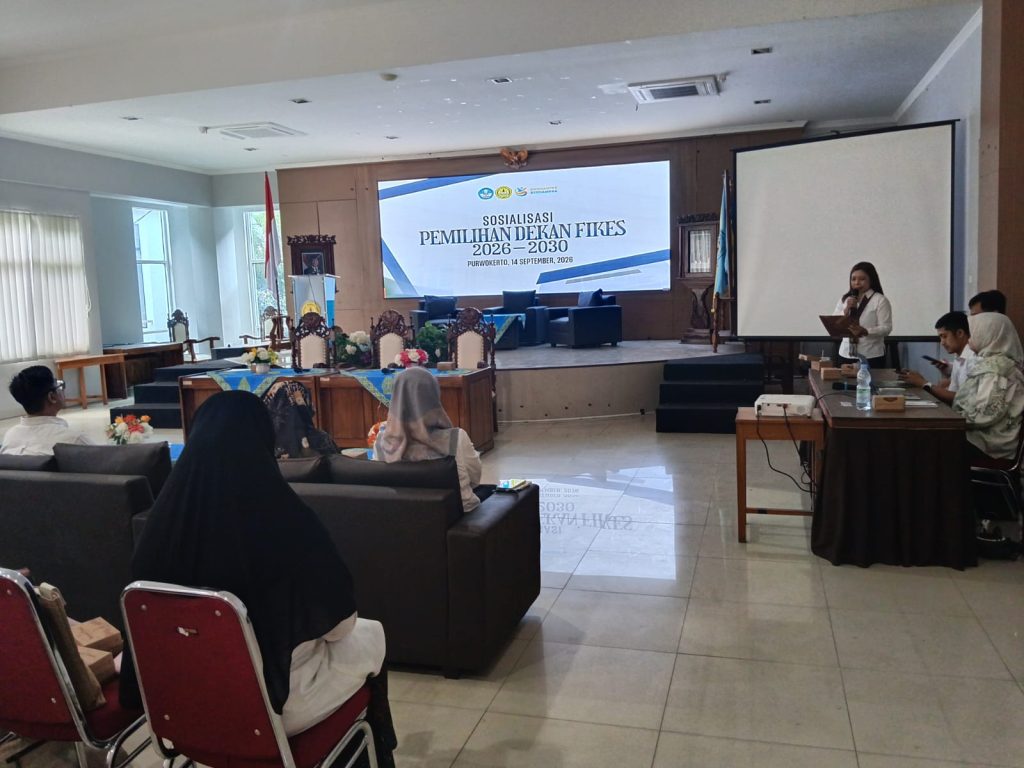
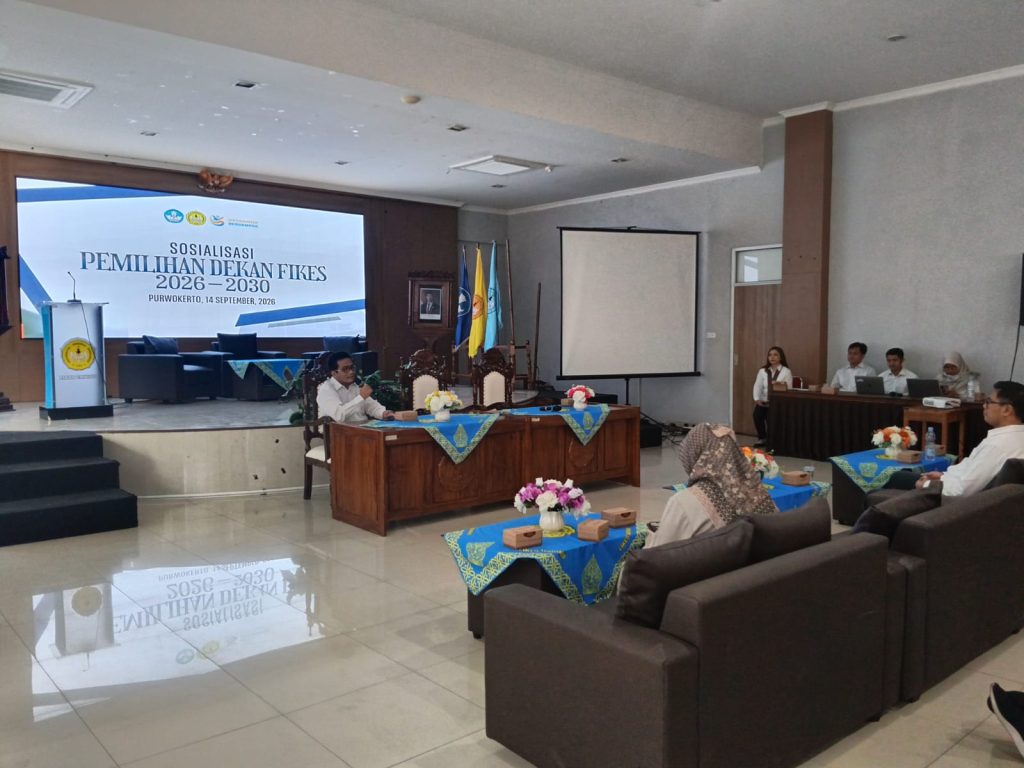
Paparan Mekanisme dan Tahapan Pemilihan Dekan
Rangkaian kegiatan diawali dengan pembukaan oleh pembawa acara, kemudian dilanjutkan dengan sambutan dari Senat FIKes UNSOED, yang diwakili oleh Apt. Dhadhang Wahyu Kurniawan, M.Sc., PhD. Setelah sesi foto bersama, kegiatan dilanjutkan dengan pemaparan materi sosialisasi oleh Panitia Pemilihan Dekan yang disampaikan oleh Arfin Deri Listiandi, S.Pd., M.Pd. dan Haryatiningsih, S.Kep., Ns., M.Kep., Sp.Kep.An.
Dalam pemaparannya, panitia menjelaskan bahwa proses Pemilihan Dekan FIKes UNSOED mengacu pada sejumlah regulasi, antara lain Peraturan Rektor Nomor 24 Tahun 2016 tentang Pengangkatan dan Pemberhentian Dekan dan Wakil Dekan, Permenristekdikti Nomor 28 Tahun 2017 tentang Statuta UNSOED, Keputusan Rektor UNSOED Nomor 1298/UN23/KP.02.02/2018, serta SK Rektor Nomor 2449/UN23/HK.02/2021 tentang Penyetaraan Jabatan dalam Persyaratan Pengangkatan Pimpinan Perguruan Tinggi.
Pemilihan Dekan FIKes UNSOED Periode 2026–2030 dilaksanakan melalui beberapa tahapan, yaitu penjaringan bakal calon, penyaringan calon, pemilihan, dan pengangkatan. Tahapan penjaringan diawali dengan sosialisasi offline pada 14 September 2026 yang kemudian dilanjutkan dengan sosialisasi secara online melalui berbagai kanal informasi FIKes UNSOED.
Selanjutnya, pendaftaran bakal calon Dekan dilaksanakan pada 15–25 September 2026 sampai dengan pukul 16.00 WIB. Apabila hingga batas waktu tersebut jumlah bakal calon yang mendaftar kurang dari empat orang, panitia akan melakukan perpanjangan pendaftaran pada 28 September–2 Oktober 2026. Pengumuman bakal calon yang memenuhi persyaratan dijadwalkan pada 6 Oktober 2026.
Tahapan berikutnya adalah penyampaian visi, misi, program kerja, dan rencana pengembangan fakultas oleh bakal calon Dekan dalam rapat Senat terbuka yang dijadwalkan pada Selasa, 13 Oktober 2026 di Aula Dekanat FIKes UNSOED. Pada tanggal yang sama, Senat Fakultas melakukan proses penetapan tiga calon Dekan untuk selanjutnya disampaikan kepada Rektor pada 14 Oktober 2026.
Pemilihan Dekan oleh Rektor bersama Senat Fakultas dijadwalkan pada 20, 21, atau 23 Oktober 2026, dengan pelaksanaan mengikuti jadwal Rektor. Selanjutnya, Dekan terpilih akan ditetapkan oleh Rektor.
Persyaratan Bakal Calon Dekan Disampaikan Secara Terbuka
Selain menjelaskan tahapan pemilihan, panitia juga menyampaikan persyaratan bagi bakal calon Dekan. Di antaranya adalah berstatus sebagai Pegawai Negeri Sipil, beriman dan bertakwa kepada Tuhan Yang Maha Esa, setia kepada Pancasila dan UUD 1945, sehat jasmani dan rohani, memiliki pengalaman manajerial di universitas sekurang-kurangnya dua tahun pada jabatan yang dipersyaratkan, berpendidikan Doktor (S3), serta menduduki jabatan akademik paling rendah Lektor Kepala.
Calon juga harus memenuhi sejumlah persyaratan administratif dan integritas lainnya, termasuk memiliki penilaian prestasi kerja paling rendah bernilai baik dalam dua tahun terakhir, tidak sedang menjalani tugas belajar yang meninggalkan tugas tridharma, tidak sedang menjalani hukuman disiplin tingkat sedang atau berat, tidak pernah dipidana berdasarkan putusan pengadilan berkekuatan hukum tetap, tidak pernah melakukan plagiasi, bebas narkotika dan zat adiktif lainnya, serta telah menyerahkan LHKPN atau LHKASN Tahun 2025.
Panitia juga menjelaskan mekanisme pendaftaran dan penyerahan dokumen persyaratan. Bakal calon wajib menyerahkan seluruh dokumen persyaratan sesuai daftar yang telah ditetapkan panitia.
Mendorong Proses Pemilihan yang Transparan dan Partisipatif
Sesi sosialisasi dilanjutkan dengan tanya jawab yang memberikan kesempatan kepada peserta untuk memperoleh penjelasan lebih lanjut mengenai mekanisme pendaftaran, persyaratan, tahapan penyaringan, hingga mekanisme pemilihan Dekan.
Melalui kegiatan sosialisasi ini, FIKes UNSOED berupaya memastikan seluruh pihak yang terlibat memperoleh informasi yang sama mengenai proses Pemilihan Dekan Periode 2026–2030. Penyampaian informasi secara terbuka diharapkan dapat mendukung pelaksanaan pemilihan yang transparan, tertib, akuntabel, dan sesuai dengan ketentuan yang berlaku.
Pemilihan Dekan FIKes UNSOED Periode 2026–2030 menjadi bagian penting dalam proses keberlanjutan kepemimpinan fakultas sekaligus momentum untuk menentukan arah pengembangan FIKes UNSOED dalam empat tahun mendatang.
Informasi Persyaratan dan Dokumen Pendaftaran
Bagi dosen yang memenuhi persyaratan dan berminat mengikuti proses penjaringan bakal calon Dekan FIKes UNSOED Periode 2026–2030, berkas persyaratan, dasar hukum, tata tertib, timeline, checklist, serta formulir pendaftaran dapat diakses melalui tautan yang telah disiapkan oleh Panitia Pemilihan Dekan.
Akses berkas dan formulir pendaftaran:
Dokumen Persyaratan dan Formulir Pendaftaran Pemilihan Dekan FIKes UNSOED 2026–2030

Pendaftaran bakal calon: 15–25 September 2026, paling lambat pukul 16.00 WIB.
Informasi lebih lanjut mengenai mekanisme pendaftaran dan penyerahan berkas dapat mengikuti ketentuan yang tercantum dalam dokumen resmi Panitia Pemilihan Dekan FIKes UNSOED Periode 2026–2030.